
自然生態素養體驗式教育計劃(NEEEP)
日期: 03/06/2026
自然生態素養體驗式教育計劃(NEEEP)
為配合科學科發展、裝備學生準備新科學教育課程帶來的轉變、挑戰與機遇、本校有幸參與嘉道理農場暨植物園推出自然生態素養體驗式教育計劃(NEEEP),配合增強新課程重視的科學探究、STEAM 學習與可持續發展教育。
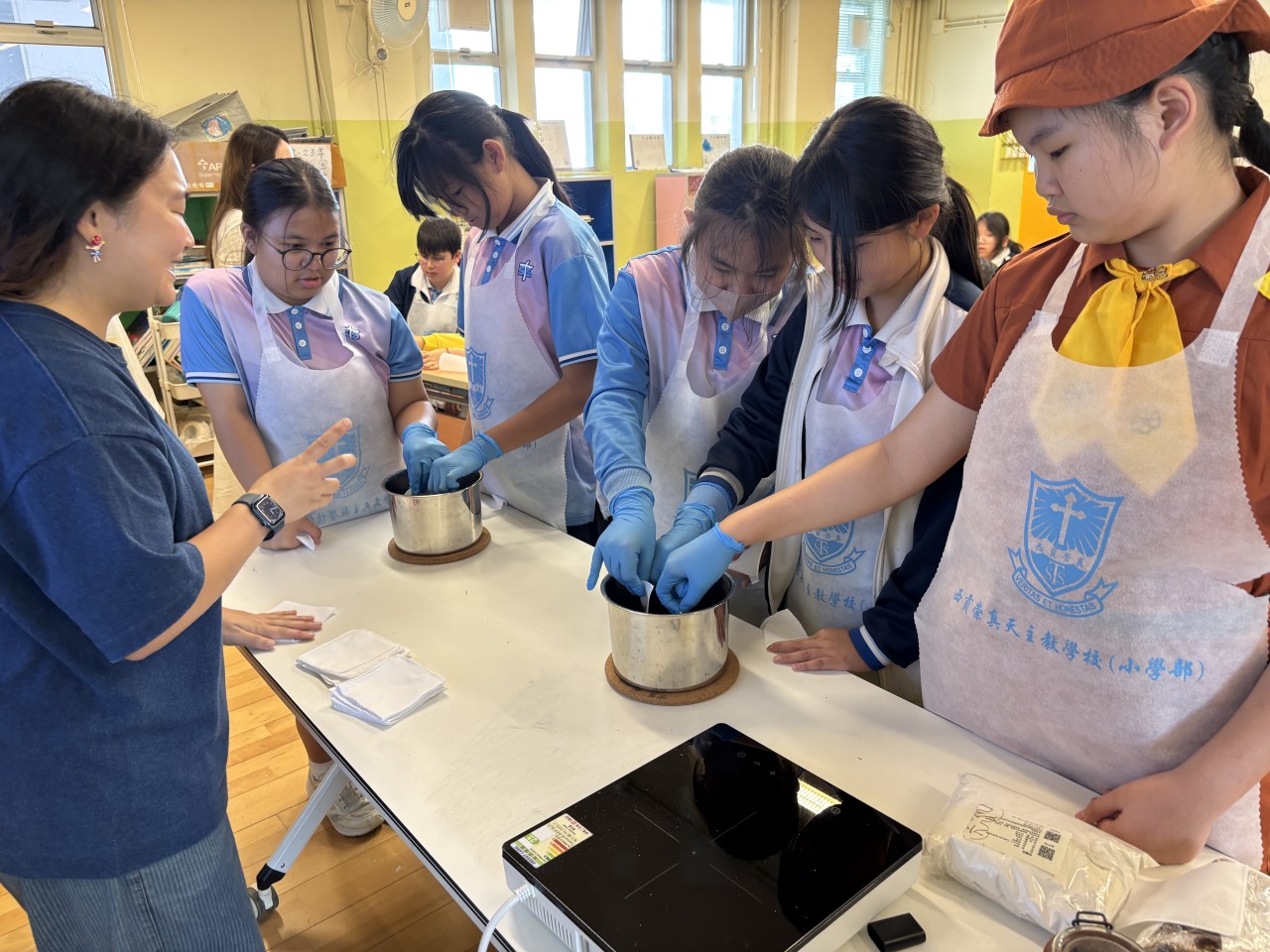
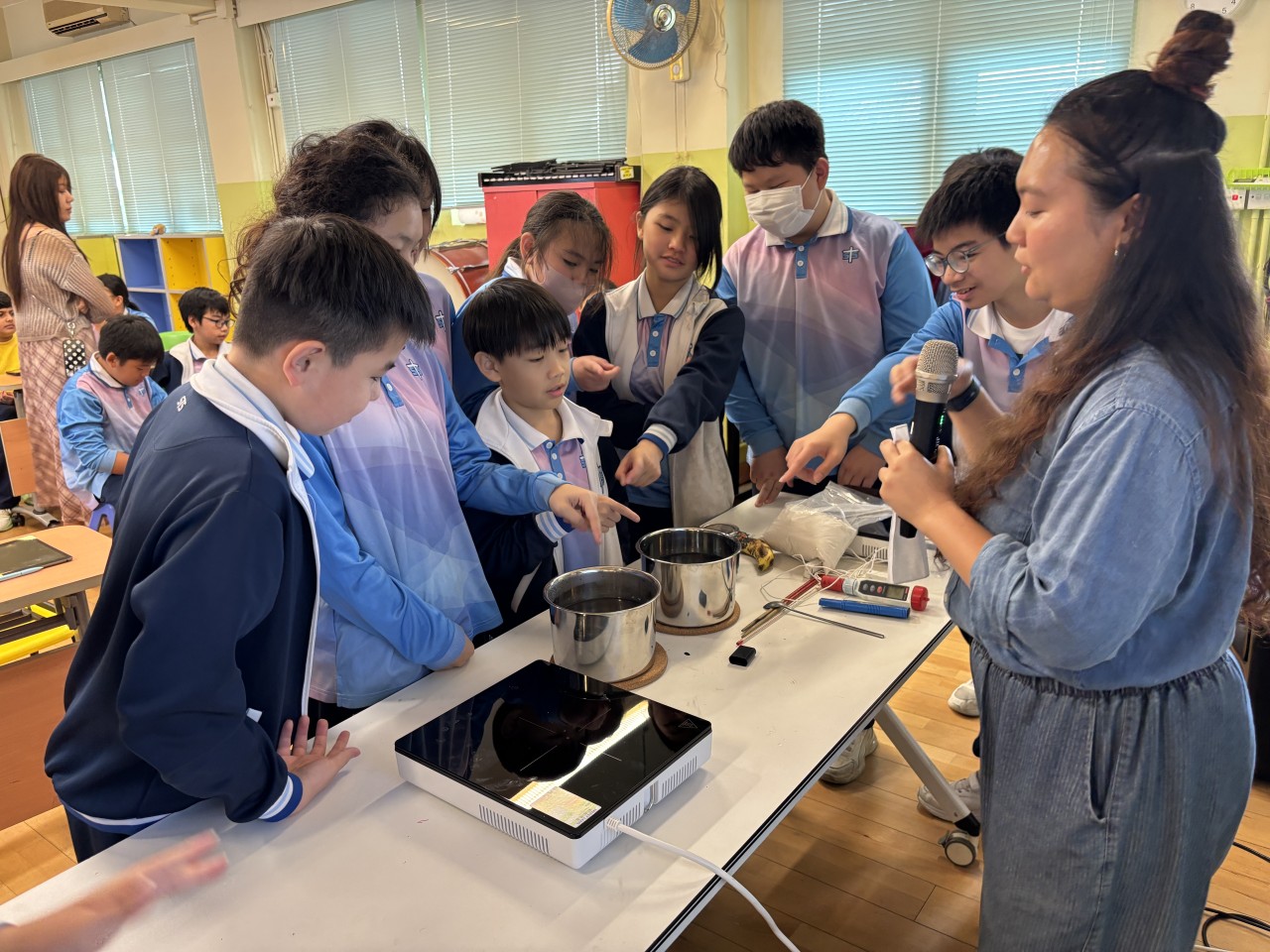
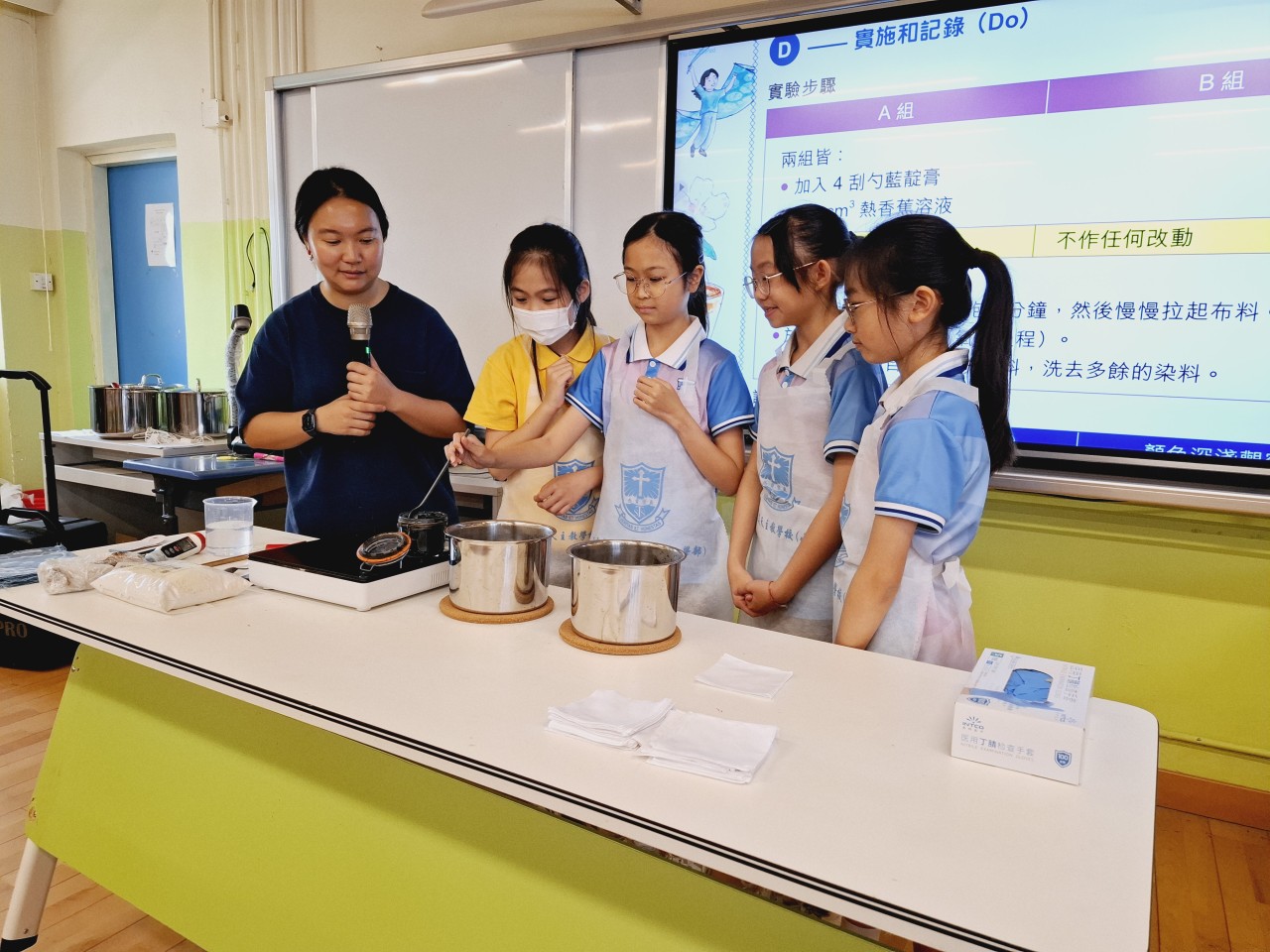
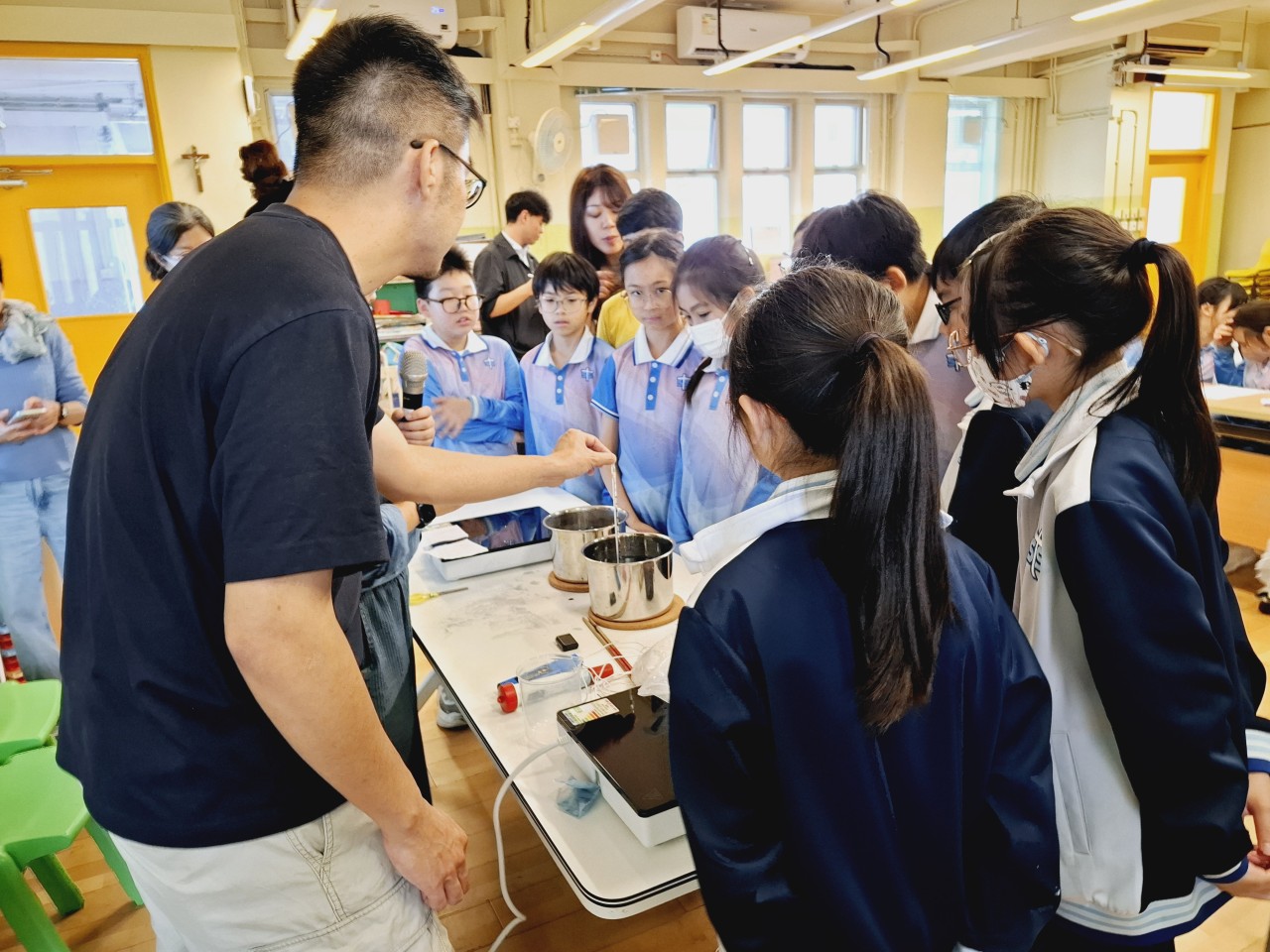
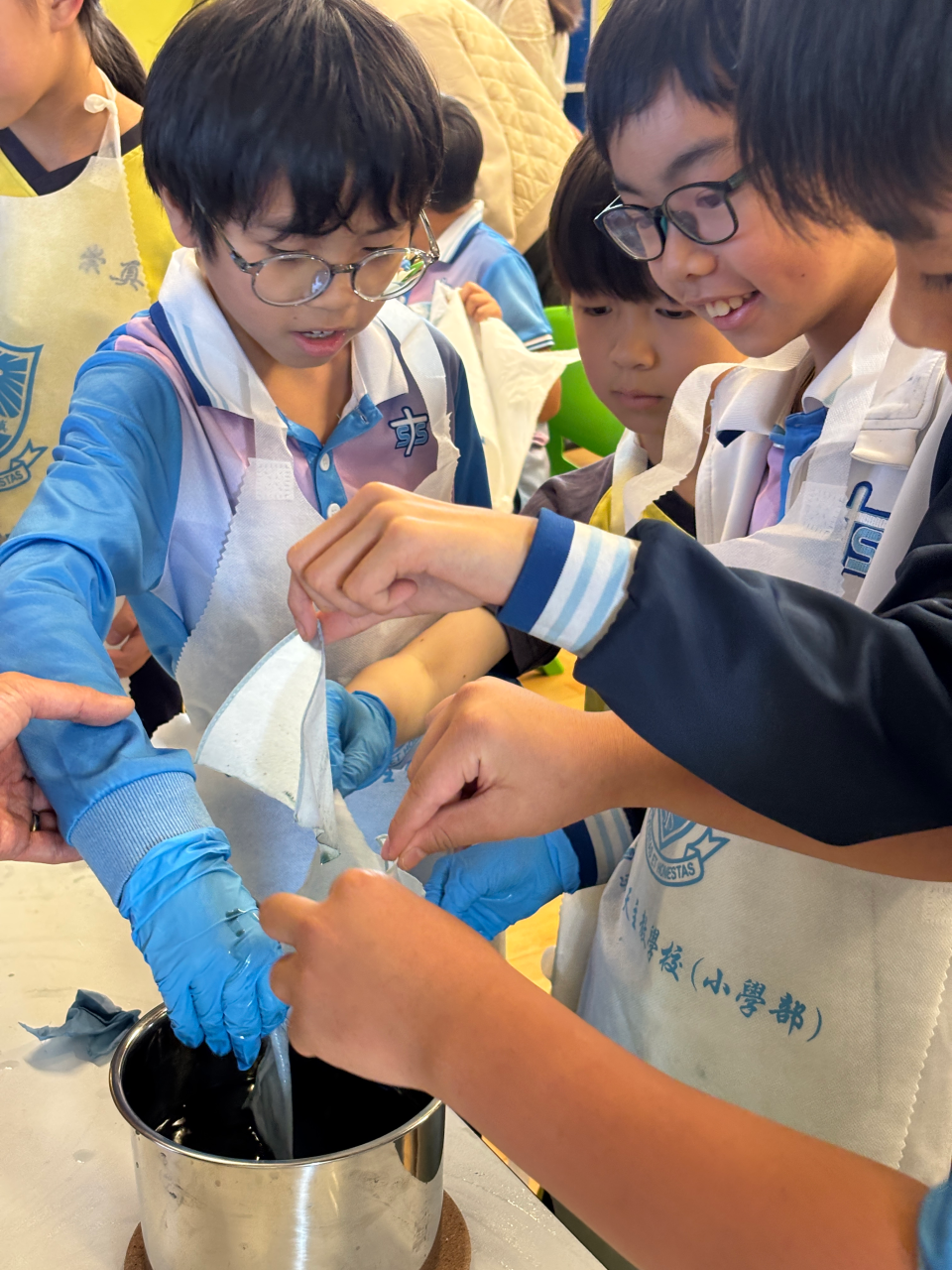
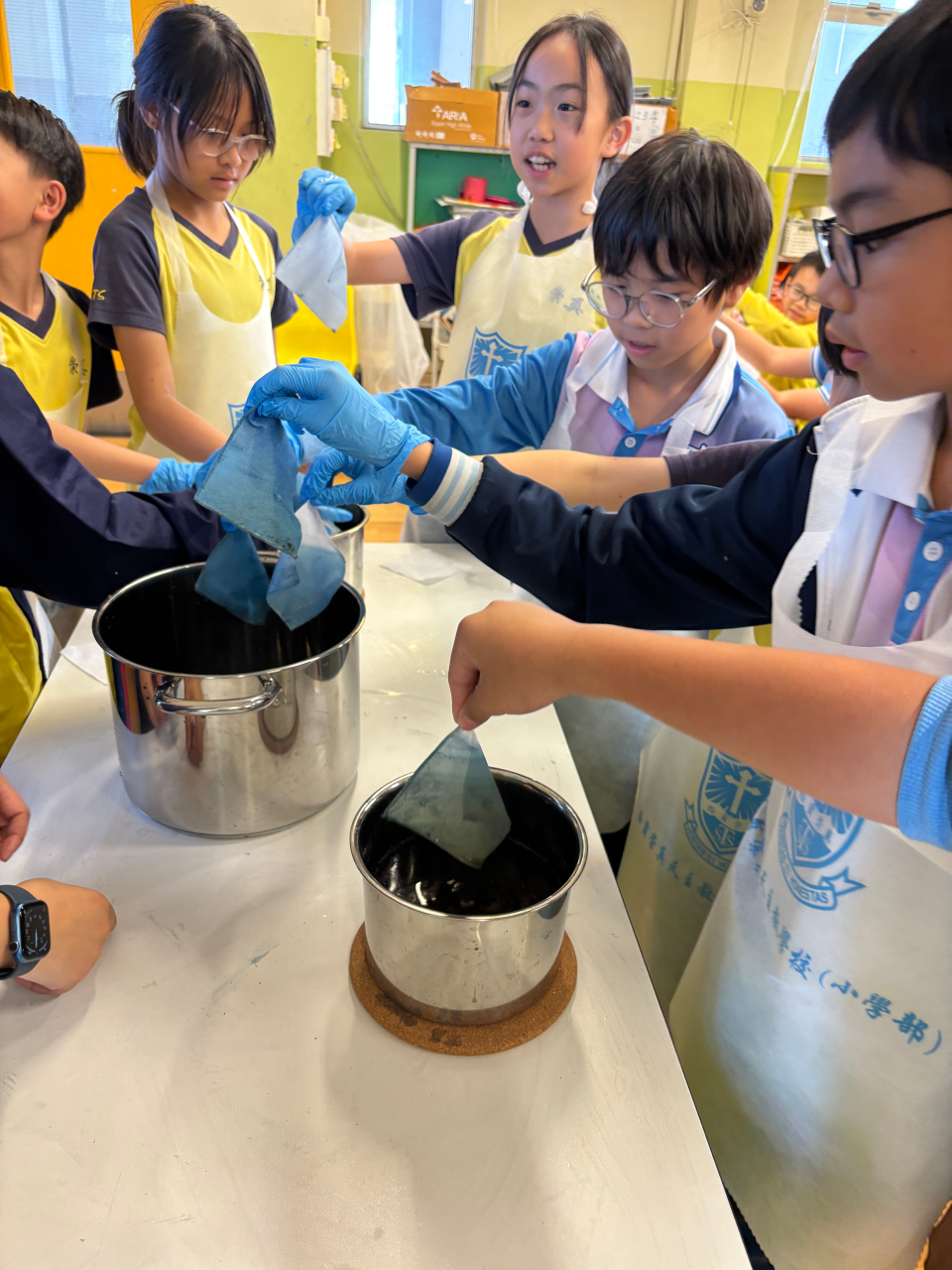
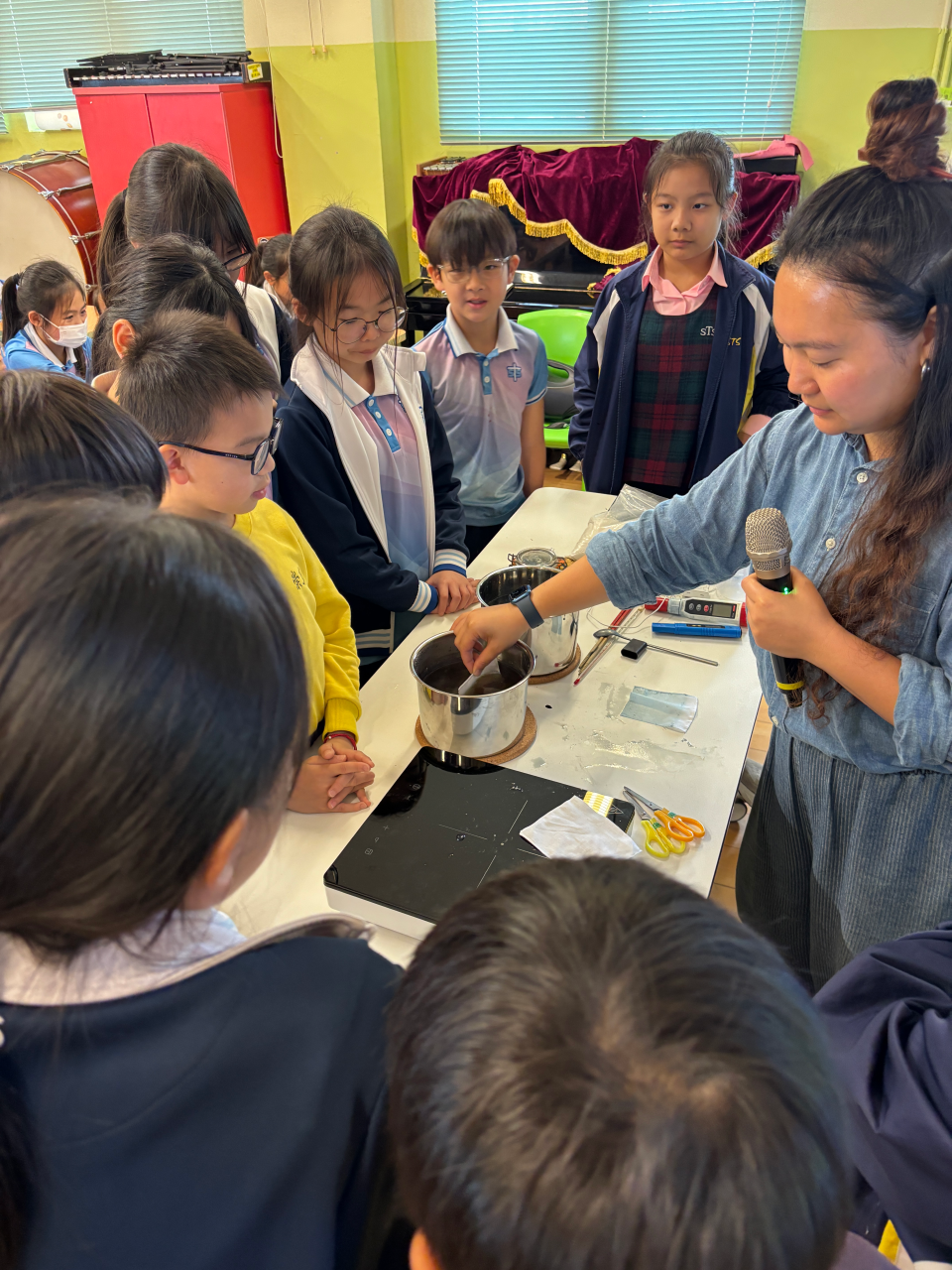
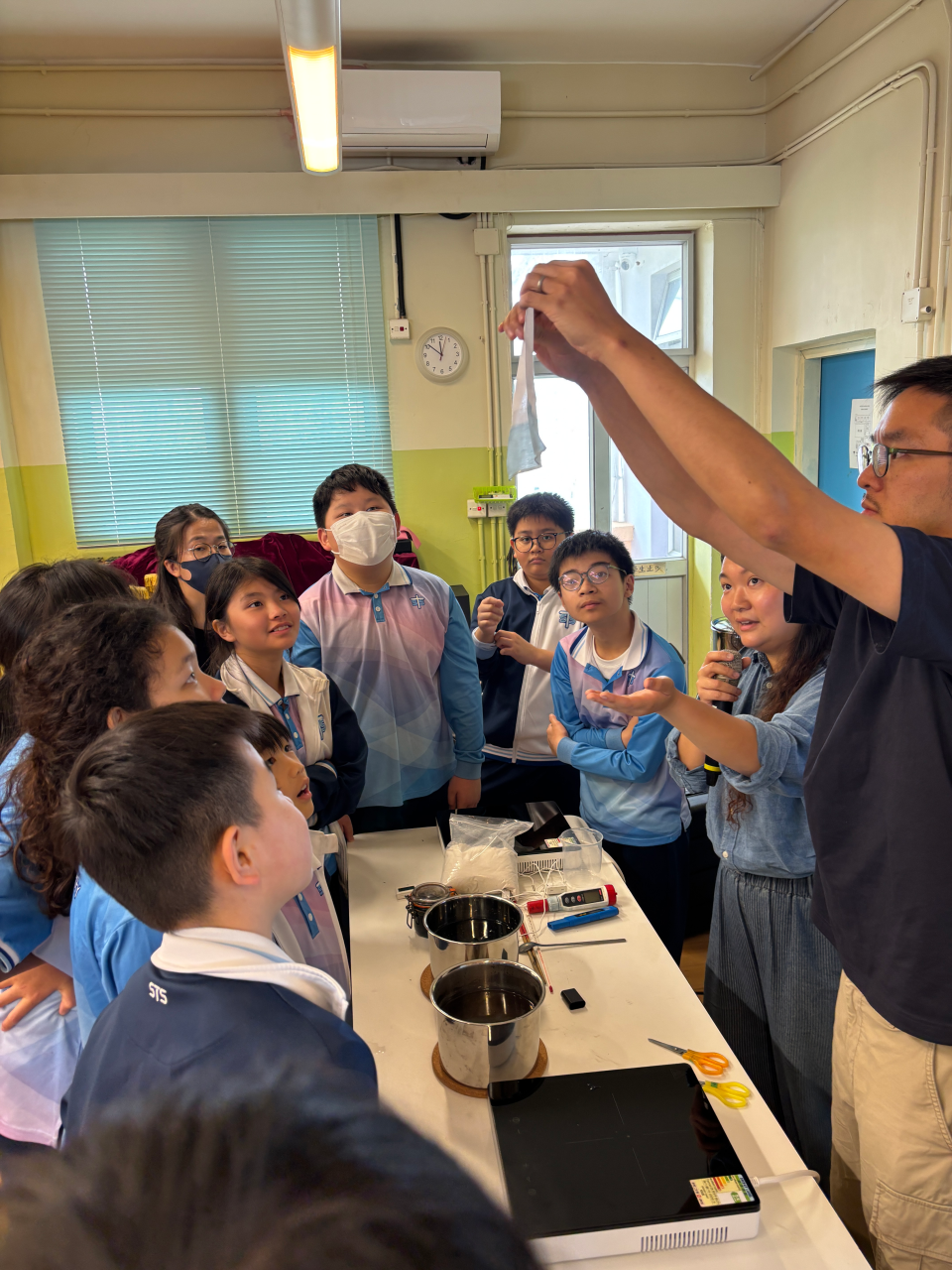
在下學期,五年級學生進行了「青出於藍:天然染色的科學實驗之旅」課程,學生初次邂逅馬藍這種天然原生植物。課程內容包括:到訪嘉道理農場暨植物園進行田野考察活動及採收馬藍、認識提取藍靛色素的步驟、認識藍染的類別和箇中的核心原理、進行科學實驗以了解由綠色的馬藍葉子變成藍色染料的轉化過程。
學生在過程中,除了對馬藍和藍染增添知識、了解天然染比起化學染更能保育生態環境和水資源,是更可持續的發展模式、亦有不同體驗式學習及「動手做」的實驗活動,讓學生經歷科學探究過程以找出答案,培養科學素養,獲益匪淺。
Nature-based Eco-literate Experiential Education Programme (NEEEP)
To equip students with proper preparation in navigating the changes, challenges and opportunities brought about by the introduction of the new Primary Science Curriculum, our school is pleased to engage in the Nature-based Eco-literate Experiential Education Programme (NEEEP) that launched by Kadoorie Farm and Botanic Garden (KFBG), to coordinate with the growing emphasis on scientific inquiry, STEAM learning and sustainability education of the new Primary Science curriculum.
In the second school term, Primary five students have participated in a programme named "A Science Laboratory Journey of Natural Dyeing", this is the first time for students to discover the native plant: Chinese Rain Bell (Strobilanthes cusia). The content of the programme comprises of visiting Kadoorie Farm and Botanic Garden (KFBG) to harvest the Chinese Rain Bell (Strobilanthes cusia), understanding the steps in extracting indigo, the core principles and types of indigo dyeing, conducting scientific experiments to understand the transformation process from Chinese Rain Bell leaves into indigo.
During the process, in addition to gaining knowledge about Chinese Rain Bell (Strobilanthes cusia) and indigo dyeing, students learned that natural dyeing—compared with chemical dyeing—is a more sustainable development approach because it helps conserve ecosystems and water resources. The programme also included various inquiry-based, hands-on experiential learning activities, these assist students experience the scientific inquiry process to figure out the answers, nurturing their scientific literacy and benefiting them greatly.