
訓育Student Discipline
透過建立明確的獎懲制度、多元且系統化的活動和專業的教師培訓,來引導學生養成良好的行為習慣和正向價值觀。
Through the establishment of clear reward and penalty systems, diverse and systematic activities, and professional teacher training, it guides students to develop good behavioral habits and positive values.
目標Objectives
協助學校營造關愛環境,幫助學生發展自律、自尊和責任感。老師是「學生成長支援者」,以正向教育和關懷為基礎,引導學生建立內在規範。透過校本訓導計劃,為學生編織一張溫柔而堅定的網,既能接住孩子們的過失,給予他們改過的機會,也能托舉他們的成長,引導他們向善向上。
To assist the school in creating a caring environment and help students develop self-discipline, self-esteem, and a sense of responsibility. Teachers serve as "student growth supporters," using positive education and care as a foundation to guide students in establishing internal norms. Through the school-based guidance and discipline plan, we weave a gentle yet firm safety net for students—one that can catch them when they make mistakes, offer them opportunities to improve, and also uplift their growth, guiding them toward goodness and progress.
計劃的主要組成部分Main Components of the Plan
1.全校性獎勵計劃School-wide Reward Scheme
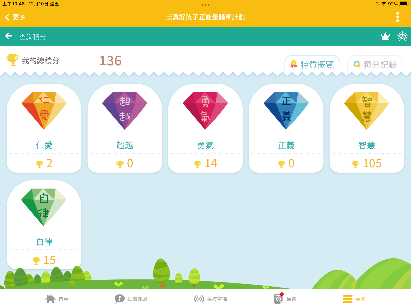
通過不同形式的獎勵來肯定及表揚學生的良好表現和進步,鼓勵他們多實踐正向行為。學生會經常透過電子化獎勵平台查閱自己所得正能量積分,並定期檢視自己於各個品格強項之表現,努力改進。
Through various forms of rewards, we affirm and recognize students' good performance and progress, encouraging them to practice more positive behaviors. Students frequently check their earned positive-energy points through the electronic reward platform and regularly review their performance across various character strengths, striving for self-improvement.
「崇真好孩子正能量獎章計劃」電子獎勵平台
" The Positive Power Award Scheme " Electronic Reward Platform
透過電子化系統獎勵,記錄及整理學生行為表現,以正向教育推動全人發展,建立正面的學校文化。獎勵範疇及條件:為24個品格強項:社交智慧、仁慈、愛、感恩、幽默感、欣賞美麗、勇敢、堅毅、正直、愛學習、好奇心、創造力、團隊精神、領導才能、公平、自我控制、寬恕、審慎、靈性、喜愛學習、洞察力、判斷力、希望、熱情。
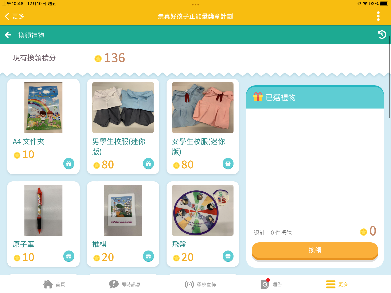
老師可於Teacher App內以班別選取學生,隨時隨地給予學生正能量印章。根據達標數目,設不同種類物質及非物質獎賞供學生在平台換領,另特設「校長的神秘禮物」及「老師的禮物」。每學年會特別設計及訂製校本紀念品送贈達標之同學。
Through the electronic system, rewards are given, and students' behavioral performance is recorded and organized. Positive education is used to promote whole-person development and establish a positive school culture. Reward categories and criteria: 24 character strengths—Social Intelligence, Kindness, Love, Gratitude, Humor, Appreciation of Beauty, Bravery, Perseverance, Integrity, Love of Learning, Curiosity, Creativity, Teamwork, Leadership, Fairness, Self-Control, Forgiveness, Prudence, Spirituality, Love of Learning (enjoyment), Insight, Judgment, Hope, Enthusiasm.
Teachers can use the Teacher App to select students by class and award them positive-energy stamps anytime, anywhere. Based on the number of badges attained, various material and non-material rewards are available for students to redeem on the platform, with special offerings such as the "Principal's Mystery Gift" and "Teacher's Gift." Each school year, school-branded commemorative gifts are specially designed and ordered for students who meet the targets.
2. 秩序與常規訓練Order and Routine Training
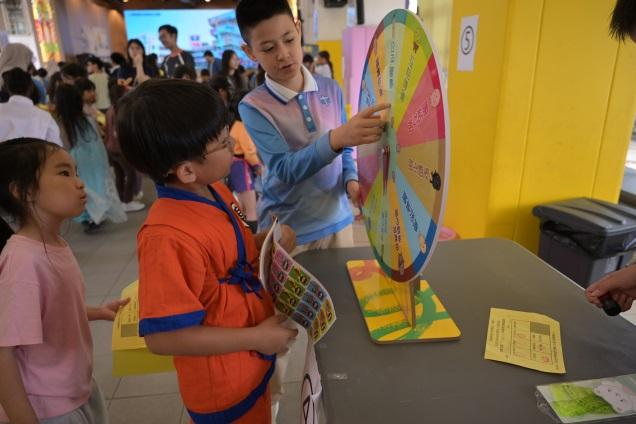
透過具體的比賽和訓練活動,將抽象的「守規矩」概念落到實處。例如:舉辦班際秩序比賽、清潔比賽(愛校豬豬洗白白),培養團隊榮譽感。
Through concrete competitions and training activities, the abstract concept of "observing the rules" is brought to life. For example, organizing inter-class discipline competitions and cleaning competitions (such as the "Love-the-School Piggy Scrub-a-Dub" initiative) fosters a sense of team pride.
● 設立風紀制度,並為他們提供訓練營,培訓其服務精神和責任感。
● 對於違規行為,處理方式以教育為主,如口頭批評、要求道歉、寫反思等,並會與家長協商,共同協助學生改過。
● 定期邀請校外機構(如黃大仙警區、社福機構)舉辦防欺凌、守法、防止盜竊等專題講座。
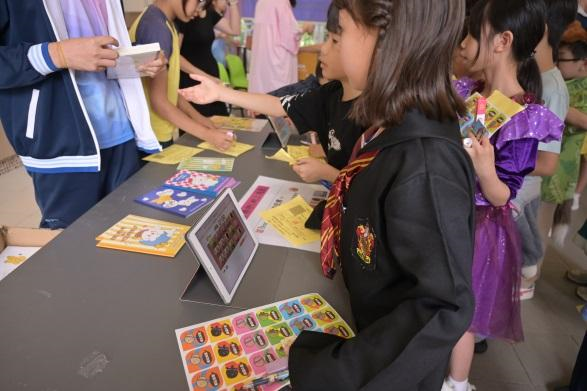
● 「崇真Shiny Stars」獎勵計劃-分三個階段進行,以提升學生的自理能力、責任感,培養其勤奮好學、自律守校規的正向價值觀,促進學生擁有積極的生活態度。
● Hold inter-class order competitions and cleanliness competitions ("Love Our School, Clean Up") to foster a sense of team pride.
● Establish a prefect system and provide training camp for prefects to develop their service spirit and sense of responsibility.
● For school rule violations, the approach is primarily educational, such as verbal warnings, requiring apologies, writing reflections, etc., and parents are consulted to jointly help students make amends.
● Regularly invite external organizations (e.g., Wong Tai Sin Police District, social service agencies) to hold special talks on topics such as bullying prevention, law-abiding behavior, and theft prevention.
● Sung Tsun Award Scheme– carried out in three phases to enhance students' self-care abilities and sense of responsibility, cultivate positive values of diligence, eagerness to learn, and self-discipline in following school rules, and promote a positive attitude toward life.
3. 校本主題活動School-based Thematic Activities
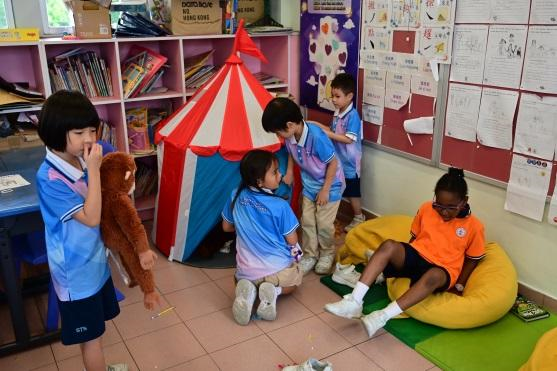
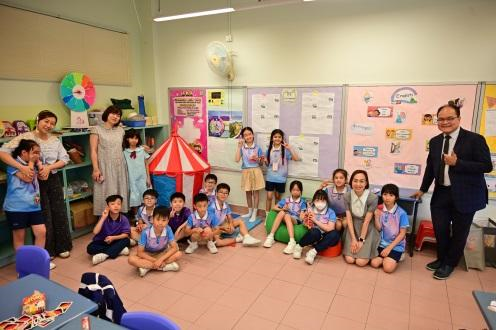
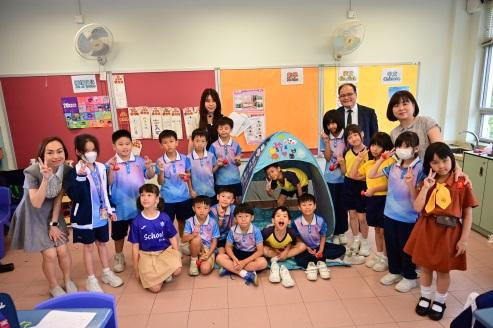
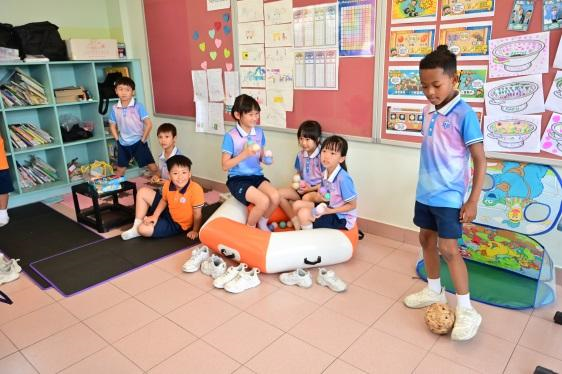
My Corner
目的:透過班本精神健康活動,加強師生交流和分享的時間及機會,營造重視溝通、信任和關愛的校園文化,促進學生身心健康。
形式:於各個課室設立My Corner,由班主任與學生共同商議及設計My Corner之佈置,並發揮創意,共同營造一個讓大家能舒壓之環境。讓學生放心地向班主任表達情緒及主動求助,為學生築起更堅固的安全網。加強學生的幸福感及抗逆力,從而提升學校整體的健康文化。
Purpose: Through class-based mental health activities, we increase opportunities and time for teacher-student interaction and sharing, fostering a campus culture that values communication, trust, and care, and promoting students' physical and mental well-being.
Format: "My Corner" is set up in each classroom. The class teacher and students jointly discuss and design the decoration of the My Corner, using their creativity to create a relaxing environment. This allows students to confidently express their emotions to the class teacher and actively seek help, building a stronger safety net for students.Enhance students' sense of well-being and resilience, thereby improving the overall health culture of the school.
4. 善用校外資源:可以積極參與廉政公署的「iJunior小學德育計劃」,這類計劃會提供免費教材和培訓,協助學校培訓學生成為「德育領袖」,在校內推廣正面價值觀。
Utilizing External Resources: We actively participate in the ICAC's "iJunior Primary School Moral Education Programme." Such programs provide free teaching materials and training, helping the school train students to become "moral leaders" and promote positive values within the school.
5.教師專業發展Teacher Professional Development
學校會安排教師參加由教育局或大學開辦的「小學教師學生訓育及輔導證書課程」等專業培訓,學習學生情緒管理、行為干預策略等技巧。
The school arranges for teachers to attend professional training courses, such as the "Certificate Course for Primary School Teachers on Student Guidance and Discipline" offered by the Education Bureau or universities, to learn skills in student emotion management, behavioral intervention strategies, and more.